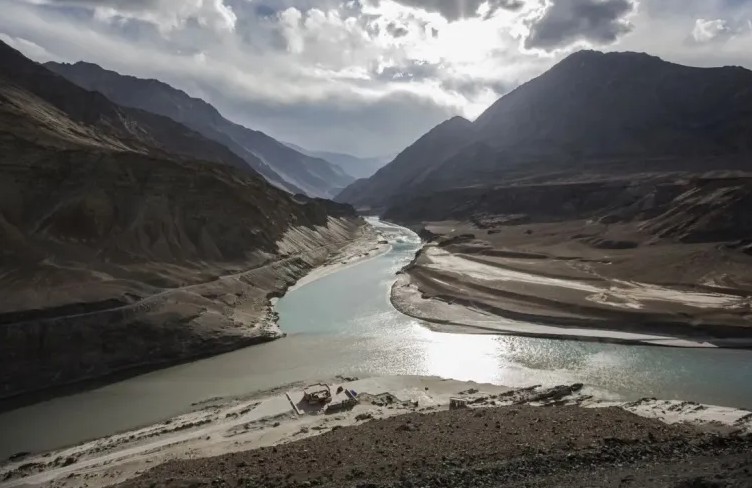
kathmandu, Tensions over water resources in South Asia have intensified after Pakistan accused India of using water as a strategic tool following the suspension of the Indus Waters Treaty (IWT). The dispute was triggered by India’s announcement of new infrastructure projects on the Chenab River, including a water diversion tunnel and upgrades to existing dam facilities.
Pakistan claims the projects could significantly affect downstream water flows, threatening its agriculture, food security, and economy. Islamabad argues that the moves undermine the 1960 Indus Waters Treaty, which allocated the Indus, Jhelum, and Chenab rivers primarily to Pakistan.
Analysts warn that the dispute extends beyond bilateral relations and could have wider implications for regional water governance. Bangladesh faces uncertainty as its Ganges Water Sharing Treaty with India is due to expire later this year, while concerns have also been raised in Nepal regarding long-standing water agreements with India.
The issue is further complicated by China’s construction of a massive dam project on the Brahmaputra River in Tibet, a development that could reshape water dynamics across the region.
Experts caution that growing water nationalism, combined with climate change and the rapid melting of Himalayan glaciers, is increasing pressure on shared river systems. They argue that stronger regional cooperation and modernized transboundary water agreements will be essential to prevent future conflicts and ensure long-term water security for hundreds of millions of people across South Asia.