
Kathmandu : The Nepal chapter of the global Red Cross Society—an organization committed to social work during disasters and emergencies—is currently struggling under the weight of disrepute. The Nepal Red Cross Society is increasingly perceived as an organization that engages in politics and profit-seeking ventures under the banner of social service.
While the controversies within the Nepal Red Cross Society appear to center on its office-bearers, the underlying reality is one of corruption and systemic mismanagement. The Society is not merely facing a controversy; its very existence is in jeopardy. Repeated attempts to hold elections for its office-bearers have failed to materialize.
Once an organization with a proud history and a strong social identity, the Nepal Red Cross Society has now become known as a hotbed for the corrupt. At one time, the institution was molded to resemble a strong wing of the Nepali Congress; later, it was transformed to function like a sister organization of the UML. Individuals close to these two parties were appointed as central office-bearers in a sort of alternating arrangement.
It was observed that when the Congress party came to power, its cadres would take control, and when the UML assumed power, it would assert its dominance over the organization. Although the Red Cross Society began to bear the burden of scandal and corruption, no one was able to resolve the underlying issues.
Instead, those in charge did little more than repeatedly appoint office-bearers under the pretext of holding elections, while drawing allowances and misusing vehicles. *Ikalopati* has previously raised concerns regarding the corruption and mismanagement plaguing the organization.
During the tenure of then-Prime Minister KP Sharma Oli, the Nepal Red Cross Society was effectively turned into a stronghold for the UML and a source of financial gain for its cadres. At that time, Oli had appointed Dr. Netra Timsina—an associate of his—as the President of the Nepal Red Cross. Although Timsina was tasked with holding elections for the organization’s new executive committee, he failed to accomplish the job. Instead, during Oli’s tenure, he was appointed as the ambassador to Malaysia.
The new government—formed following a “Gen Z” uprising that demanded an end to the mismanagement and lack of good governance plaguing the Nepal Red Cross Society—has handed the organization back to the same old guard. Prime Minister Balen has now entrusted the role of President to an associate of the former President, Dr. Netra Timsina.
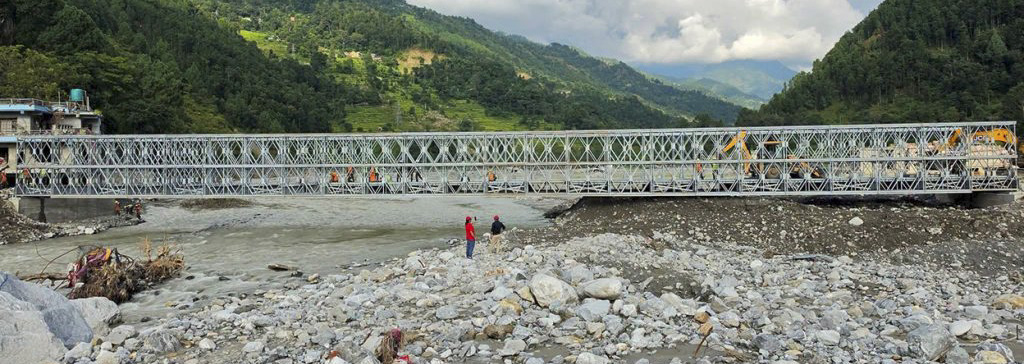
Even now, the Red Cross Society remains notorious as a hotbed of corruption, all while trading on Balen’s name. Interestingly, the floods in Rasuwa have brought a “Dashain” (a windfall/bonanza) for those working within the Red Cross; a similar “bonanza” occurred during the earthquake as well. Whenever disaster strikes, corruption amounting to crores takes place under the guise of serving the public—a pattern that persists even under the Balen-led government.
The current government, which campaigned on a platform of eradicating corruption, has handed responsibility for the Nepal Red Cross Society to individuals with the same old corrupt mindset—people who seek commissions in every undertaking. This move suggests that the organization, already in jeopardy, faces an even deeper crisis. To fulfill the objectives and goals of the Nepal Red Cross Society, the Balen government should instead entrust the leadership to an untainted individual, hold elections as soon as possible, and allow new office-bearers to steer the organization forward.