Questions have been raised regarding a decision by the Kathmandu Metropolitan City (KMC) after it granted the use of the entire Durbar Marg—a major thoroughfare—for the 70th-anniversary celebrations of diplomatic relations with Japan, despite having previously refused to provide space in Ratnapark and Thamel for Chinese New Year celebrations. While organizing cultural events to foster relations with friendly nations is a positive step, the disparity in treatment for public events of a similar nature raises concerns. Are consistent standards applied to the use of public roads? Furthermore, the presence of commercial advertisements along Durbar Marg has cast doubt on the Metropolitan City’s regulatory capacity.
Kathmandu : Diplomacy is not limited solely to formal meetings, agreements, and statements between the governments of two nations. Public conduct, cultural exchange, mutual respect, and equitable treatment also reflect the true state of relations between countries. Consequently, a local government’s decision on whether or not to grant a foreign embassy access to public space is not merely a routine administrative matter; it can also convey a diplomatic message.
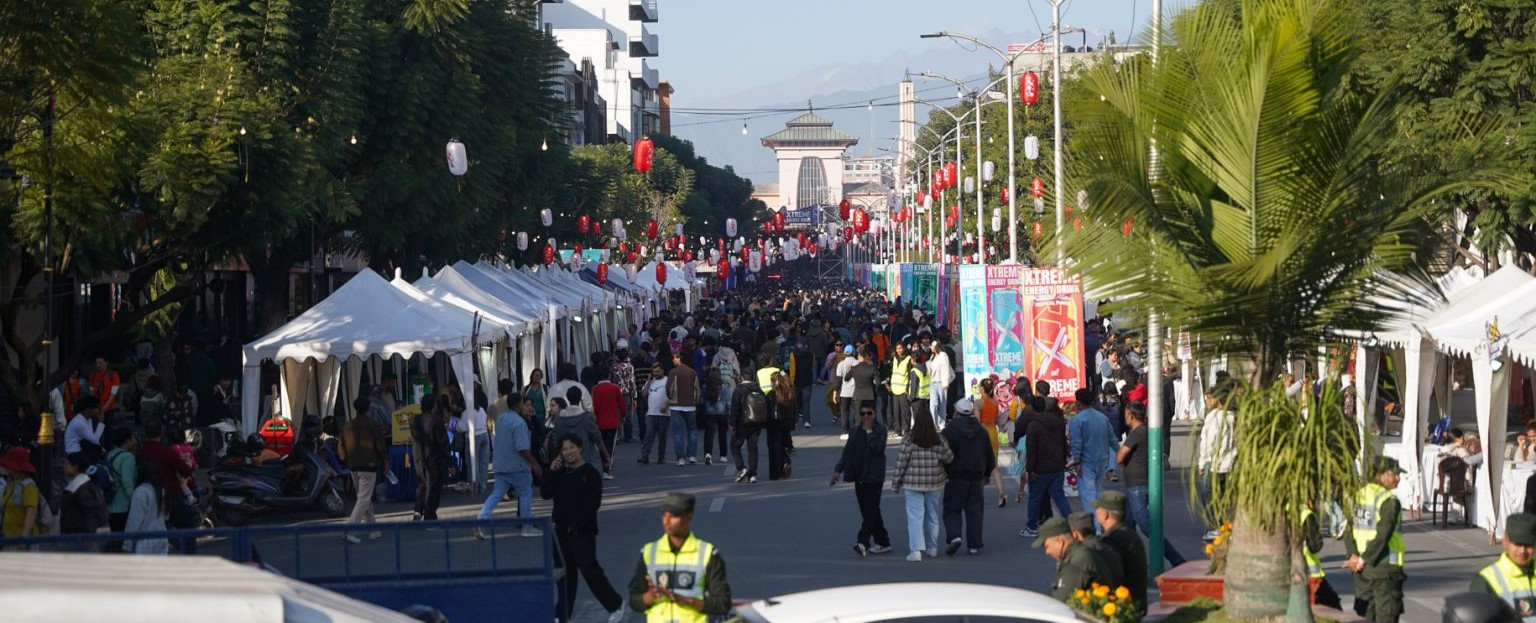
The latest decision by the Kathmandu Metropolitan City has prompted such questions. Last year, when the Chinese Embassy requested permission to hold events in the Ratnapark and Thamel areas to celebrate the Chinese New Year—or the Spring Festival—the Metropolitan City denied the request. In contrast, this year, the Metropolitan City has made the entire Durbar Marg available for a cultural festival marking the 70th anniversary of the establishment of diplomatic relations between Nepal and Japan.
In January 2025, the Chinese Embassy had requested permission to host events in Thamel and Ratnapark. However, the Metropolitan City denied permission, citing potential traffic management issues and the narrowness of those locations. Instead, it suggested that the road stretch from Kalanki to Maharajgunj would be a more suitable venue for the event. Reports also emerged indicating that the Metropolitan City had refused to collaborate on the aforementioned event.
Kantipur
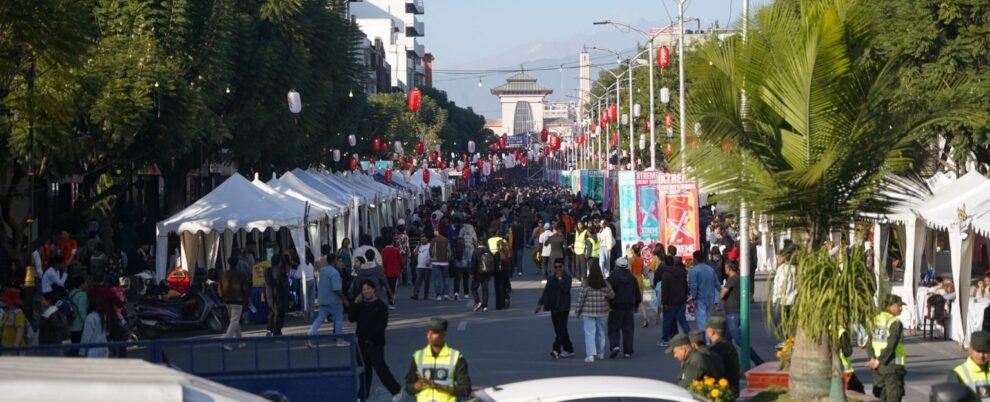
Conversely, for the Nepal-Japan Festival held today, Sunday, November 22, 2020, at Durbar Marg, the Metropolitan City itself has become a co-organizer. Formal diplomatic relations between Nepal and Japan were established on September 1, 1956. This festival, organized to mark the 70th anniversary of those ties, aims to expand cultural relations.
Kantipur
The point here is not that Japan should be barred from holding such an event. Japan is a long-standing friendly nation to Nepal, having made significant contributions in sectors such as education, health, infrastructure, human resource development, technology, and economic cooperation. Celebrating the seven-decade-long relationship between the two nations through a cultural festival is, in itself, a positive initiative. The real question is why the Metropolitan City applied different standards regarding the Chinese Embassy and the Japanese Embassy.
One Metropolitan City—why two different standards for two different countries?
Consistency and impartiality are of the utmost importance in the decisions made by a local government. If an event poses challenges for traffic management, such concerns should be equally applicable—whether the event is organized by China or Japan. If it was argued that holding a Chinese New Year event at Ratnapark and Thamel would cause traffic chaos, then how were traffic management issues resolved during the Japanese festival, for which the entire Durbar Marg road was closed? One might argue that the location previously rejected by the Metropolitan City is different from the one currently provided; however, the core issue concerns the criteria applied when granting permission to use public roads.
Roads are public property. Decisions regarding their use should not be based on sentiments of goodwill or ill-will toward any foreign nation. Instead, such decisions must be based on the nature of the event, security considerations, traffic management, public interest, and the potential inconvenience caused to city residents.
Both China and Japan are significant friendly nations to Nepal. Nepal’s relationships with them carry distinct historical, economic, and strategic importance. In this context, it is diplomatically inappropriate for a decision by the Metropolitan City to create the impression that one country is being prioritized while the other is being neglected.
This does not imply that a single decision by the Metropolitan City will have an immediate impact on Nepal-China or Nepal-Japan relations. Nevertheless, such decisions could raise questions—among the diplomatic representatives of the countries involved, their citizens, and the general Nepali public—regarding whether equal treatment is being applied.
The Significant Implications of Small Decisions in Diplomacy
Given Nepal’s geopolitical situation, maintaining balanced relations with neighbors and friendly nations is of paramount importance. Nepal shares long-standing ties with both China and Japan; China is Nepal’s northern neighbor, while Japan is one of its key development partners.
In its foreign policy, Nepal has adopted an approach of conducting relations with all friendly nations based on mutual respect, sovereign equality, and national interest. The practical reflection of such a policy should also be evident in the decisions made by government bodies.
It is not unusual for foreign embassies to wish to hold public events to mark their national days, cultural festivals, or significant milestones in bilateral relations. Such events foster stronger ties between the citizens of the two nations. However, if public space is granted to one country but denied to another, it raises questions regarding equal treatment.
If traffic management was the basis for the Metropolitan City’s decision to deny permission to the Chinese Embassy, then it is necessary to publicly clarify what different criteria were applied when making Darbar Marg available for the Japanese festival.